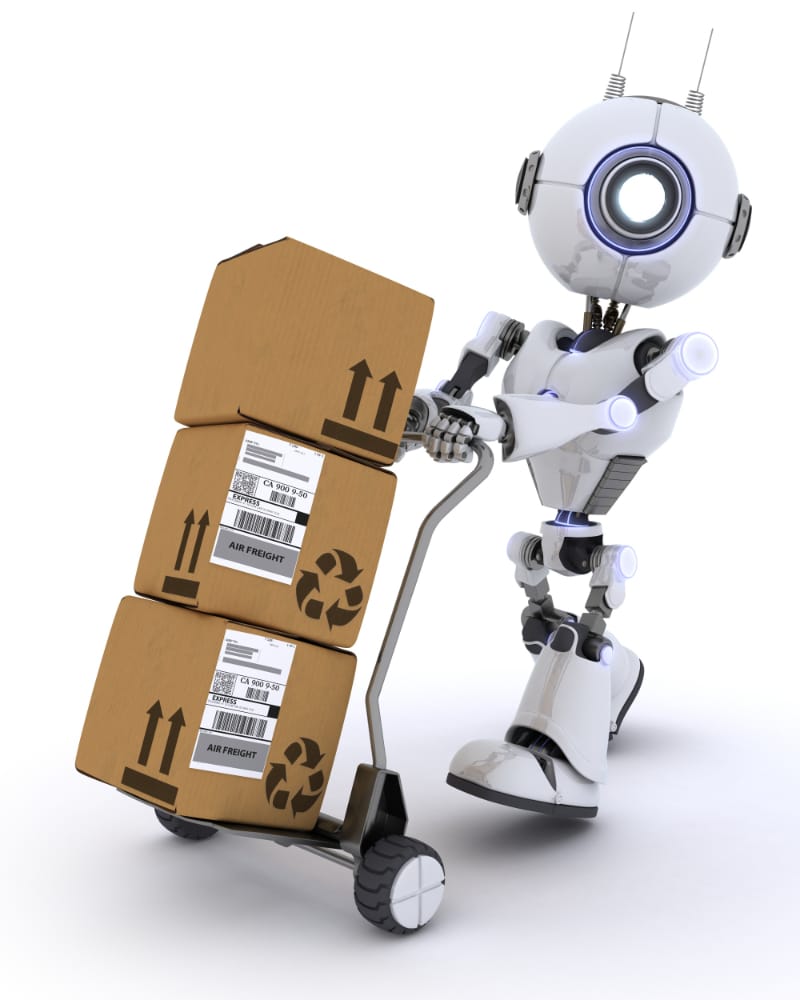
Artificial intelligence (AI) is no longer a futuristic idea. In 2025, it has become the backbone of eCommerce growth, helping businesses create personalized experiences, improve efficiency, and drive sales. The future of online stores will rely heavily on AI tools for eCommerce, as brands that adopt them early will stay ahead of competitors.
From chatbots that provide instant customer support to predictive analytics that forecast demand, AI is changing the way online businesses operate. Let’s explore the most powerful AI-driven eCommerce tools every brand should start using today.
1. AI-Powered Chatbots for Customer Service
Shoppers expect instant answers. Traditional customer service teams cannot handle 24/7 inquiries without massive costs. AI chatbots solve this by providing real-time responses to frequently asked questions, tracking orders, and even recommending products.
Platforms like Tidio and Drift help businesses integrate AI chatbots that improve customer satisfaction while reducing support costs.
2. Personalized Product Recommendations
Personalization is one of the strongest drivers of online sales. AI analyzes browsing history, past purchases, and customer behavior to recommend products users are most likely to buy.
Amazon’s recommendation engine is a prime example of how powerful this can be. Small businesses can achieve similar results by using AI-driven recommendation tools such as Clerk.io or Nosto.
3. Predictive Analytics for Smarter Inventory Management
Running out of stock or overstocking can cost eCommerce businesses thousands. With predictive analytics, AI can forecast which products will sell the most and when, allowing for smarter inventory planning.
This ensures businesses keep their shelves full of what customers want while avoiding unnecessary costs.
4. AI-Powered Marketing Automation
Marketing is no longer about guesswork. With eCommerce automation tools powered by AI, businesses can create smarter ad campaigns, personalize email marketing, and optimize conversion funnels.
Tools like HubSpot and ActiveCampaign use machine learning to improve targeting and deliver content that resonates with specific customer segments.
5. Visual Search and Image Recognition
Today’s customers don’t always search with words; they search with images. AI visual search tools allow shoppers to upload an image and find similar products instantly. Platforms like Syte and Google Lens are pushing this trend, helping eCommerce stores increase conversions with less friction.
6. Fraud Detection and Secure Transactions
AI is also helping eCommerce brands protect themselves and their customers. Fraud detection systems use machine learning to identify suspicious activities and prevent fake transactions. This ensures safer online shopping experiences.
The adoption of AI tools for eCommerce is no longer optional it is essential. Businesses that invest in these tools benefit from:
For a deeper dive into strategies that can help your online store grow, explore our blog section, where we share guides on SEO, performance, and digital trends.
You can also explore resources like Shopify’s AI Commerce Insights to see how top platforms are integrating AI into everyday eCommerce.